Yarn & Sewing
Picking your first crochet hook and yarn
One skein, one hook and a little patience. How to read a yarn label, match a hook to it and skip the yarns that make learning harder than it needs to be.
By Spunky Craft Co.
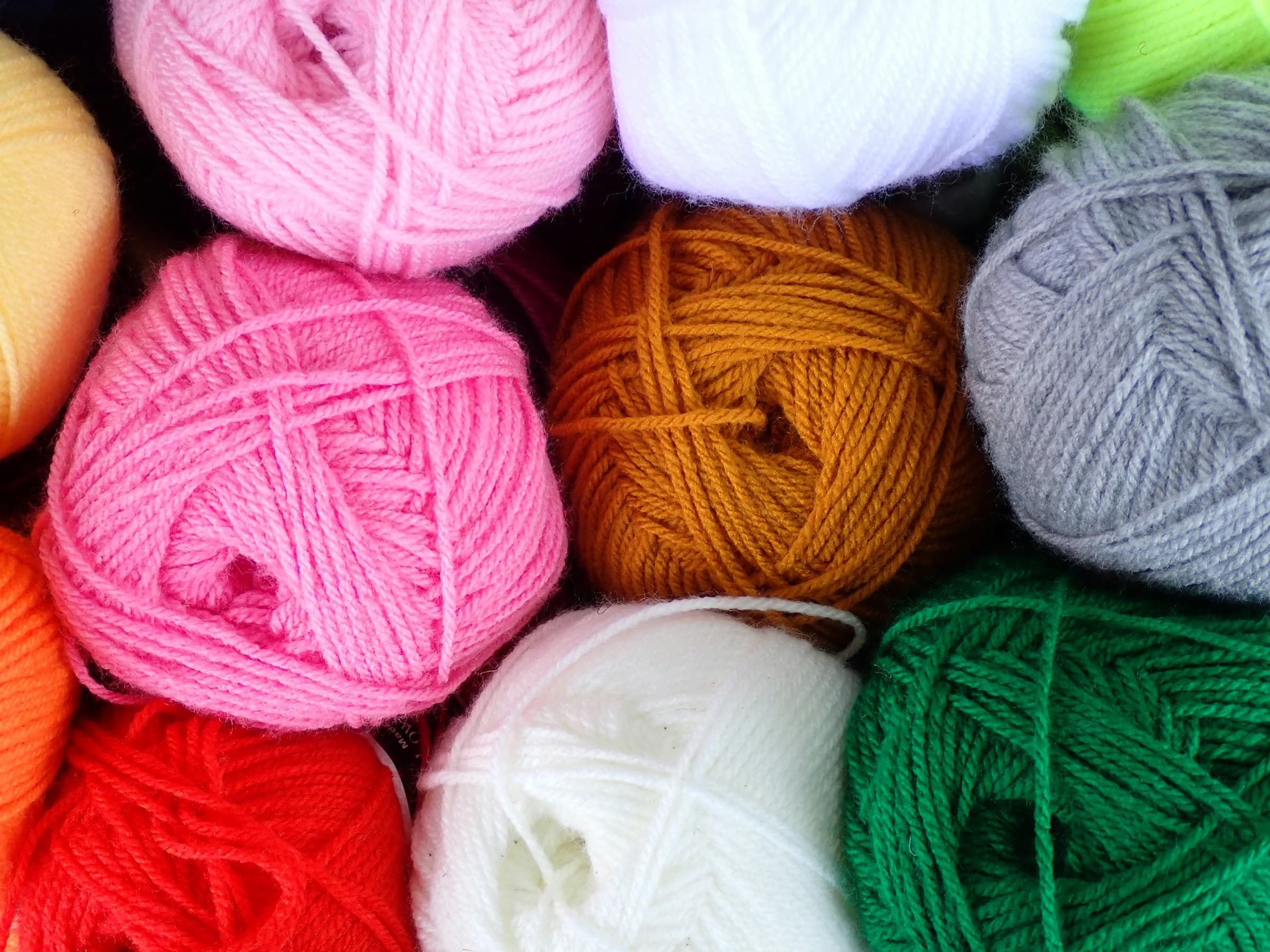
Start with medium-weight yarn
The Craft Yarn Council sorts yarn into numbered weight categories, from 0 (lace) up to 7 (jumbo), and many labels print that number inside a small skein symbol. For learning, category 4 (often called medium or worsted) is the usual starting point: thick enough to see each stitch, thin enough to handle comfortably. Choose a smooth yarn with little fuzz and no sequins or novelty texture, since those hide your stitches. A light or bright color helps as well; black, navy and other very dark shades make it hard to see where the hook should go.
Let the yarn label pick the hook
For medium-weight yarn, the Craft Yarn Council's chart suggests hooks from 5.5 to 6.5 mm (US I-9 to K-10 1/2). Most yarn labels name a specific size, so start with that one. Treat the chart as a guideline rather than a rule: if a pattern lists a gauge, follow the pattern, and go up or down a hook size if your stitches come out much tighter or looser than it calls for. Hooks are usually stamped with both a US letter and a millimeter size, so check both when you compare a hook to a label or pattern.
Hook material is a matter of feel
Hooks come in metal, plastic, wood and bamboo, and some have cushioned or shaped handles. Lion Brand's beginner guide treats the choice as personal preference and suggests buying an affordable hook until you know crochet is for you. If your hand gets tired, a thicker handle is worth trying. Beyond the hook and yarn, a small pair of scissors and a blunt yarn needle for weaving in ends will cover a first project. Save fuzzy, slippery and dark yarns for once you can recognize your stitches by feel.